Skip to product information
1 of 2

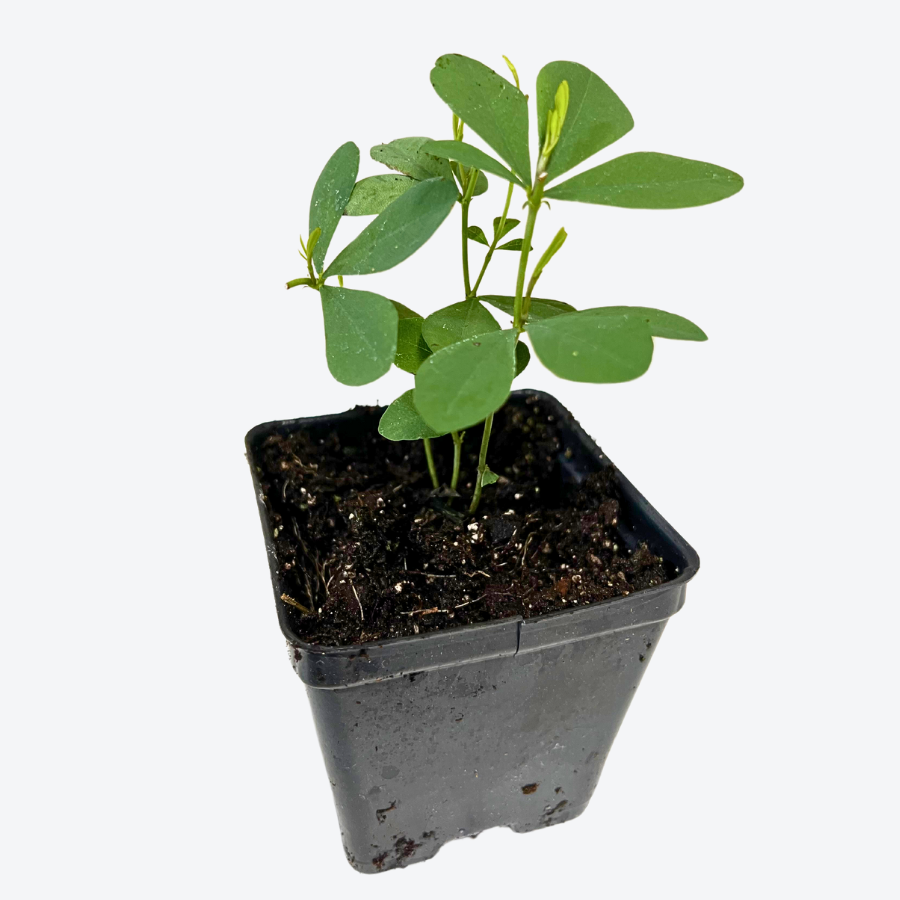
Blue Wild Indigo

Blue Wild Indigo

Regular price $10.25
Sale price $10.25 Regular price

Growing Zones: 4-9
Light: Full Sun
Height: 36-48"
Spacing: 36-48"
Bloom Color: Blue
Shipped Pot Size: 3.25"
Availability: Spring 2026
  • NON-GMO
  • Chimical free
  • 100% Guarantee
  • Medicinal
  • Deer Resistant
  • Pollinator
  • Butterfly
  • Drought
  • Native
Quantity
  • Blue Wild Indigo Plants For Sale

    Baptisia australis

    Discover the timeless beauty of Blue Wild Indigo (Baptisia australis), a hardy perennial with elegant form and rich indigo-blue blooms. In late spring, tall spires of pea-like flowers create a dramatic focal point just as the garden wakes up.

    After flowering, charcoal-black seed pods develop and rattle softly in the breeze, adding texture, movement, and long-lasting interest. The ornamental pods and blue-green foliage lend a naturalistic yet refined look to borders and landscape plantings.

    Forming a neat, shrub-like clump that stays attractive from spring through frost, Blue Wild Indigo pairs effortlessly with many design styles—from cottage and meadow-inspired plantings to more formal beds.

    Prized for its beauty, reliability, and four-season presence, this standout perennial offers drama in bloom, elegance in foliage, and lasting visual appeal. Add Blue Wild Indigo to your garden and enjoy a sophisticated, long-lived plant that elevates your landscape year after year.

  • Blue Wild Indigo Growing Tips (Baptisia australis)

    Beautiful, tough, and low‑maintenance once established 🌿💙

    🌞 Light

    • Prefers full sun (6+ hours of direct light).
    • Can tolerate light shade, but flowering may be reduced.

    🧺 Soil

    • Likes well‑drained soil — sandy or loamy is ideal.
    • Tolerates poor or rocky soil 👍
    • Avoid spots where water sits after rain (no soggy soil).

    💧 Water

    • First year: keep evenly moist while roots are establishing. Water deeply once or twice a week in dry weather.
    • After established: Blue Wild Indigo is very drought tolerant and usually only needs water in long dry spells.

    🌱 Planting

    • Plant in spring or fall.
    • Dig a hole just slightly wider than the root ball.
    • Set the plant in at the same depth it was in the pot.
    • Backfill, firm the soil gently, and water well.
    • Space plants 2–3 feet apart to give them room to grow.

    🌾 Growth Habit

    • Forms a deep taproot and doesn’t like to be moved 🚫🪴
    • Choose your planting spot carefully — this is a long‑lived, permanent plant.
    • Can take 2–3 years to reach full size and bloom heavily (worth the wait!).

    🍃 Fertilizer

    • Generally does not need fertilizer.
    • Too much fertilizer can make it floppy and reduce blooms.
    • A light layer of compost in spring is plenty if your soil is very poor.

    ✂️ Pruning & Care

    • After flowering, you can:

      Leave the decorative seed pods on for winter interest.
      Or cut flower stalks back for a tidier look.

    • In late fall or very early spring, cut stems back to a few inches above the ground. New growth will emerge in spring.
    • No regular deadheading is required for rebloom.

    🐛 Pests & Problems

    • Naturally resistant to most pests and diseases 🙌
    • Deer and rabbits usually leave it alone.
    • Biggest problem is poor drainage causing root issues.

    🌼 Companions & Design Tips

    • Pairs well with:

      Coneflowers (Echinacea) 🌸
      Black‑eyed Susans (Rudbeckia) 🌼
      Ornamental grasses 🌾

    • Great in pollinator gardens – bees love the flowers 🐝

    ✅ Quick Success Checklist

    • Full sun or light shade ☀️
    • Well‑drained soil 🌱
    • Regular water the first year, then very little 💧
    • Don’t move once planted (deep taproot) 📍
    • Cut back in late fall or early spring ✂️

    With the right spot and a little patience, Blue Wild Indigo will reward you with years of beautiful blue blooms and easy care 💙🌿

  • Here are some fun and easy ways to enjoy Blue Wild Indigo after it’s planted in your garden 💙🌿

    1. Enjoy the Flowers 🌸

    • Blue Wild Indigo blooms in late spring to early summer
    • Can plant it where you see it often — along a path, near a patio, or by an entryway
    • Encourage them to take photos or create a “bloom journal” to track when it flowers each year 📸📝

    2. Support Pollinators 🐝🦋

    • The flowers attract bees, butterflies, and other helpful insects
    • You can:

      Watch pollinators visit the flowers
      Teach kids about the importance of pollinators
      Pair Blue Wild Indigo with other pollinator plants for a “pollinator corner” in their garden 🌼

    3. Use as a Focal Point in the Garden 🎨

    • Once established, Blue Wild Indigo forms a beautiful, bushy clump
    • You can:

      Use it as a centerpiece in a flower bed
      Plant several together for a bold, cottage-garden look
      Mix it with grasses and other perennials for a natural, meadow-style garden 🌾

    4. Enjoy the Seed Pods 🌰

    • After blooming, Blue Wild Indigo forms decorative seed pods
    • You can:

      Leave pods on the plant for fall and winter interest 🍂
      Cut a few stems to use in dried arrangements indoors (in a vase or seasonal décor)

    5. Low-Maintenance Beauty 💪

    • Once established, Blue Wild Indigo is drought-tolerant and easy-care
    • Enjoy it without much work:

      Water regularly the first year
      After that, only water in long dry spells
      In late winter or early spring, cut the old stems back to make room for fresh new growth ✂️

    6. Pairing with Other Plants 🤝

    Plant Blue Wild Indigo with:

    • Coneflowers and Black-eyed Susans for a classic pollinator bed
    • Ornamental grasses for a prairie look
    • Salvia and Catmint for long-lasting color

    This makes your garden look fuller and more colorful through the seasons 🌈

    7. A Long-Lived Garden Investment ⏳

    • Blue Wild Indigo can stay in the same spot for many years
    • Over time, it becomes a strong, reliable “anchor plant” in the garden

    They’ll enjoy its beauty year after year with very little effort 🙌

Description

Blue Wild Indigo Plants For Sale

Baptisia australis

Discover the timeless beauty of Blue Wild Indigo (Baptisia australis), a hardy perennial with elegant form and rich indigo-blue blooms. In late spring, tall spires of pea-like flowers create a dramatic focal point just as the garden wakes up.

After flowering, charcoal-black seed pods develop and rattle softly in the breeze, adding texture, movement, and long-lasting interest. The ornamental pods and blue-green foliage lend a naturalistic yet refined look to borders and landscape plantings.

Forming a neat, shrub-like clump that stays attractive from spring through frost, Blue Wild Indigo pairs effortlessly with many design styles—from cottage and meadow-inspired plantings to more formal beds.

Prized for its beauty, reliability, and four-season presence, this standout perennial offers drama in bloom, elegance in foliage, and lasting visual appeal. Add Blue Wild Indigo to your garden and enjoy a sophisticated, long-lived plant that elevates your landscape year after year.

Growing Tips

Blue Wild Indigo Growing Tips (Baptisia australis)

Beautiful, tough, and low‑maintenance once established 🌿💙

🌞 Light

  • Prefers full sun (6+ hours of direct light).
  • Can tolerate light shade, but flowering may be reduced.

🧺 Soil

  • Likes well‑drained soil — sandy or loamy is ideal.
  • Tolerates poor or rocky soil 👍
  • Avoid spots where water sits after rain (no soggy soil).

💧 Water

  • First year: keep evenly moist while roots are establishing. Water deeply once or twice a week in dry weather.
  • After established: Blue Wild Indigo is very drought tolerant and usually only needs water in long dry spells.

🌱 Planting

  • Plant in spring or fall.
  • Dig a hole just slightly wider than the root ball.
  • Set the plant in at the same depth it was in the pot.
  • Backfill, firm the soil gently, and water well.
  • Space plants 2–3 feet apart to give them room to grow.

🌾 Growth Habit

  • Forms a deep taproot and doesn’t like to be moved 🚫🪴
  • Choose your planting spot carefully — this is a long‑lived, permanent plant.
  • Can take 2–3 years to reach full size and bloom heavily (worth the wait!).

🍃 Fertilizer

  • Generally does not need fertilizer.
  • Too much fertilizer can make it floppy and reduce blooms.
  • A light layer of compost in spring is plenty if your soil is very poor.

✂️ Pruning & Care

  • After flowering, you can:

    Leave the decorative seed pods on for winter interest.
    Or cut flower stalks back for a tidier look.

  • In late fall or very early spring, cut stems back to a few inches above the ground. New growth will emerge in spring.
  • No regular deadheading is required for rebloom.

🐛 Pests & Problems

  • Naturally resistant to most pests and diseases 🙌
  • Deer and rabbits usually leave it alone.
  • Biggest problem is poor drainage causing root issues.

🌼 Companions & Design Tips

  • Pairs well with:

    Coneflowers (Echinacea) 🌸
    Black‑eyed Susans (Rudbeckia) 🌼
    Ornamental grasses 🌾

  • Great in pollinator gardens – bees love the flowers 🐝

✅ Quick Success Checklist

  • Full sun or light shade ☀️
  • Well‑drained soil 🌱
  • Regular water the first year, then very little 💧
  • Don’t move once planted (deep taproot) 📍
  • Cut back in late fall or early spring ✂️

With the right spot and a little patience, Blue Wild Indigo will reward you with years of beautiful blue blooms and easy care 💙🌿

Use Them!

Here are some fun and easy ways to enjoy Blue Wild Indigo after it’s planted in your garden 💙🌿

1. Enjoy the Flowers 🌸

  • Blue Wild Indigo blooms in late spring to early summer
  • Can plant it where you see it often — along a path, near a patio, or by an entryway
  • Encourage them to take photos or create a “bloom journal” to track when it flowers each year 📸📝

2. Support Pollinators 🐝🦋

  • The flowers attract bees, butterflies, and other helpful insects
  • You can:

    Watch pollinators visit the flowers
    Teach kids about the importance of pollinators
    Pair Blue Wild Indigo with other pollinator plants for a “pollinator corner” in their garden 🌼

3. Use as a Focal Point in the Garden 🎨

  • Once established, Blue Wild Indigo forms a beautiful, bushy clump
  • You can:

    Use it as a centerpiece in a flower bed
    Plant several together for a bold, cottage-garden look
    Mix it with grasses and other perennials for a natural, meadow-style garden 🌾

4. Enjoy the Seed Pods 🌰

  • After blooming, Blue Wild Indigo forms decorative seed pods
  • You can:

    Leave pods on the plant for fall and winter interest 🍂
    Cut a few stems to use in dried arrangements indoors (in a vase or seasonal décor)

5. Low-Maintenance Beauty 💪

  • Once established, Blue Wild Indigo is drought-tolerant and easy-care
  • Enjoy it without much work:

    Water regularly the first year
    After that, only water in long dry spells
    In late winter or early spring, cut the old stems back to make room for fresh new growth ✂️

6. Pairing with Other Plants 🤝

Plant Blue Wild Indigo with:

  • Coneflowers and Black-eyed Susans for a classic pollinator bed
  • Ornamental grasses for a prairie look
  • Salvia and Catmint for long-lasting color

This makes your garden look fuller and more colorful through the seasons 🌈

7. A Long-Lived Garden Investment ⏳

  • Blue Wild Indigo can stay in the same spot for many years
  • Over time, it becomes a strong, reliable “anchor plant” in the garden

They’ll enjoy its beauty year after year with very little effort 🙌

What’s included

Included items will appear here once configured.

Minimum quantity allowed is .
Maximum quantity allowed is .
The product can be bought in quantity increments of .