
Plan Your Herb Garden With Purpose

A successful herb garden starts with a little planning. Before you begin planting, think about where your garden will grow, how much sunlight the space receives, and which herbs you actually want to use.
Whether you're planting a few favorites or creating a full culinary herb garden, considering location, mature plant size, and growing conditions now can save you trouble later.
The goal isn't to make your garden complicated. It's to give each herb the right place to thrive — and leave yourself a garden you'll enjoy using throughout the season.
Choose the Right Spot for Your Herb Garden

Start by deciding where your herb garden will grow and how much space you have available. Most herbs perform best with plenty of sunlight, so watch the area throughout the day before choosing your spot.
Think about mature plant size, not just how small the plants are when you bring them home. Give larger herbs room to spread and avoid crowding plants together where airflow can become limited.
Your garden doesn't have to follow a perfect shape. A raised bed, existing landscape bed, containers, or a combination can all work beautifully. Just make sure every plant is somewhere you can comfortably reach for watering, harvesting, and maintenance.
If you're planting in the ground, check that the area drains well after rain. For containers, make sure every pot has drainage holes and enough room for the plant's roots as it grows.
Plan the space first. Then choose herbs whose sunlight, water, and soil needs fit that space.
What Your Garden Needs to Thrive
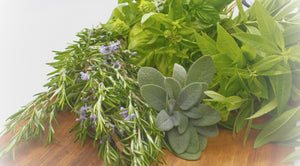
Most herbs grow best with 6–8 hours of direct sunlight each day. Rosemary, thyme, sage, oregano, lavender, and basil are happiest in full sun, while parsley, cilantro, chives, and mint can tolerate some partial shade.
Good drainage is essential. Most herbs prefer loose, well-draining soil rather than heavy soil that stays wet. If planting in containers, always use pots with drainage holes and a quality potting mix. For garden beds, work organic matter into heavy or compacted soil to improve drainage.
Water deeply, then allow the top inch of soil to begin drying before watering again. Most herbs dislike constantly wet soil. Mediterranean herbs like rosemary, thyme, sage, oregano, and lavender prefer drier conditions, while basil, parsley, cilantro, chives, and mint appreciate more consistent moisture.
Ready to Grow Your Own Herb Garden?
Start with the herbs you love, give them the right place to grow, and build your garden from there.