Skip to product information
1 of 2

Licorice

Licorice

Regular price $10.25
Sale price $10.25 Regular price

Growing Zones: 7-10
Light: Full Sun
Height: 36"-48"
Spacing: 24-36"
Bloom Color: Purple
Shipped Pot Size: 3.25"
Availability: Spring 2026
  • NON-GMO
  • Chimical free
  • 100% Guarantee
  • Culinary
  • Medicinal
  • Deer Resistant
  • Aroma
  • Container
  • Pollinator
  • Butterfly
  • Drought
Quantity
  • Licorice Plants For Sale

    Glycyrrhiza Glabra

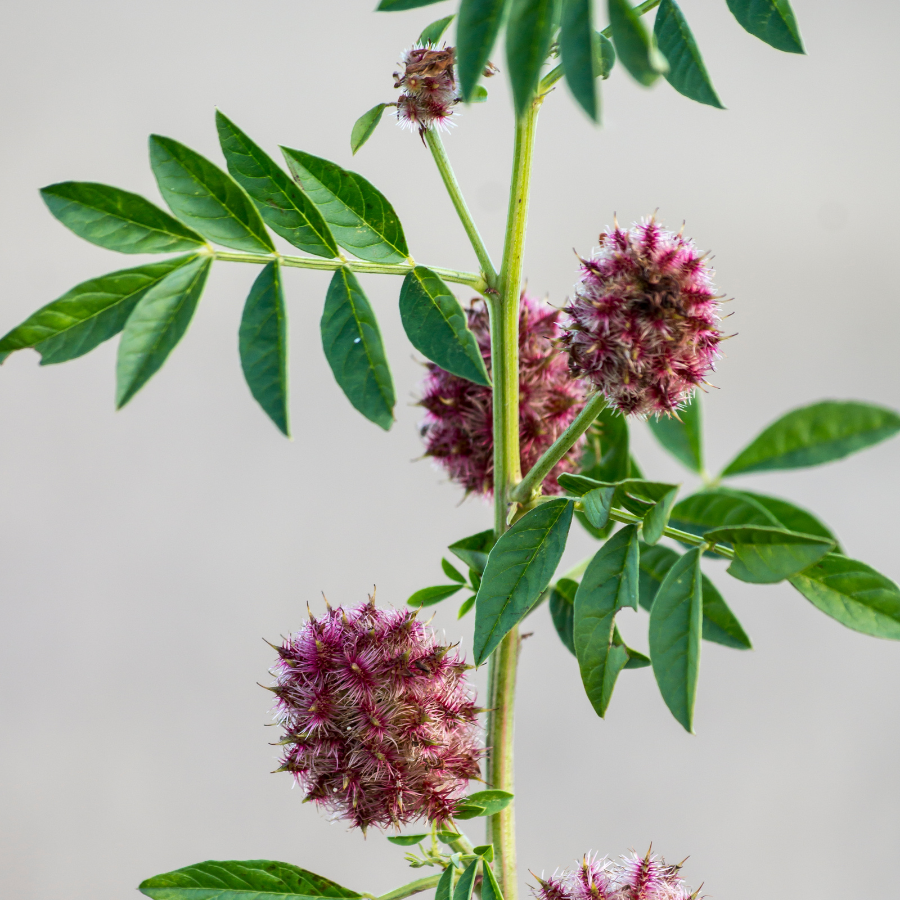
    Bring a touch of Old World charm and natural sweetness to your garden with Licorice (Glycyrrhiza glabra). This perennial plant has been cultivated for centuries primarily for its aromatic roots, which contain compounds with soothing properties and potential health benefits. Aside from its medicinal uses, Licorice is valued for its attractive appearance, with graceful foliage and delicate flower clusters that enhance the garden's aesthetic appeal. Its roots can be harvested for culinary uses or herbal remedies, making it both beautiful and functional. 

    Adding Licorice to your garden provides a plant that is not only visually appealing but also rich in history and versatility, making it an ideal choice for gardeners seeking a unique and useful addition.

     

  • 🌱 Growing Tips for Licorice (Glycyrrhiza glabra)

    Help your Licorice thrive with these simple, garden‑friendly tips:

    ☀️ 1. Choose the Right Spot

    • Plant in full sun – at least 6 hours of direct light per day.

    • A warm, bright spot helps the roots develop their best flavor.

    🌍 2. Soil Preparation

    • Loves loose, well‑draining soil – sandy or loamy is ideal.

    • Avoid heavy, soggy clay soil.

    • Mix in compost before planting for extra nutrients and better root growth.

    💧 3. Watering

    • Keep soil evenly moist, not waterlogged, during the first year.

    • Once established, water deeply but less often – let the top inch of soil dry between waterings.

    • Always ensure good drainage to prevent root rot.

    🌿 4. Planting

    • Space plants about 18–24 inches apart to give roots room to grow.

    • Plant at the same depth as they were in the pot.

    • Gently firm soil around the roots and water well after planting.

    🌡️ 5. Climate & Protection

    • Best in USDA zones 7–9.

    • In cooler areas, grow in large containers and move to a protected spot over winter.

    • Mulch lightly in winter to protect the roots, but keep mulch away from stems.

    🌱 6. Feeding

    • Licorice doesn’t need heavy feeding.

    • In spring, apply a light layer of compost or a balanced organic fertilizer.

    • Avoid high‑nitrogen fertilizers that cause lots of leaves but weaker roots.

    ✂️ 7. General Care

    • Keep the area weed‑free so the roots don’t have to compete.

    • Remove any dead or damaged stems to keep plants tidy.

    8. Harvesting Roots

    • Be patient – this is a slow‑reward plant.

    • Roots are usually ready after 2–3 years of growth.

    • Harvest in fall by carefully digging around the plant and taking only some roots, leaving the rest to regrow.

    ⚠️ 9. Safety Note

    • If you plan to use licorice root in teas or remedies, always:

    • Research proper use and amounts.

    • Check with a healthcare professional if you have high blood pressure, heart issues, or are on medication.

    With sun, loose soil, and a bit of patience, your Licorice plant will reward you with lush growth and flavorful roots for years to come 🌿✨

  • 🌿 How to Use Licorice (Glycyrrhiza glabra) in Your Garden

    Once your Licorice plant is in the ground and growing, here are fun and practical ways to use it in your garden:

    🌸 1. As a Beautiful Focal Plant

    • Plant Licorice toward the middle or back of a border where its height (3–5 ft) can shine.

    • Combine with lavender, echinacea, or chamomile for a soft, herbal look.

    • Great for cottage gardens and herb borders.

    🧺 2. In an Herbal or Tea Garden

    • Group Licorice with other tea herbs like mint, lemon balm, and chamomile.

    • Use garden markers so you know where your future tea ingredients are growing.

    • Enjoy the look now, and harvest roots in a few years for homemade blends. 🍵

    🐝 3. Pollinator-Friendly Plant

    • Its small summer flowers attract beneficial insects like bees and other pollinators. 🐝

    • Plant near vegetable beds to help support a healthy garden ecosystem.

    🌾 4. As a Soft, Textured Backdrop

    • Licorice has pretty, feathery foliage that makes a lovely green backdrop for colorful flowers.

    • Use it behind bright annuals or perennials to make their colors pop.

    🪴 5. In Large Containers or Patio Gardens

    • If you’re in a cooler climate, grow Licorice in a big pot on a sunny patio or deck.

    • Pair it with other herbs in containers for a portable herb garden you can move for light and winter protection.

    🧑‍🌾 6. Educational & Conversation Starter

    • Great for kids and visitors – most people are surprised to learn licorice candy comes from a plant root! 🤯

    • Use it as a teaching plant about historic herbal uses and traditional medicine.

    🍃 7. Gentle Shade & Ground Cover Partner

    • Once mature, Licorice can lightly shade the soil around it, helping retain moisture.

    • Plant low-growing herbs or flowers at its base (like thyme or calendula) for a layered, full look.

    🌱 8. Long-Term Harvest Plan

    • Treat Licorice as a long-term investment plant:

    • Years 1–2: Enjoy the foliage and flowers.

    • Years 2–3+: Carefully harvest some roots in fall for drying and future use.

    ⚠️ Reminder: If using the roots for teas or remedies, always research proper use and check with a healthcare professional, especially for anyone with high blood pressure or heart concerns.

    With its graceful foliage, pretty flowers, and rich history, Licorice can be both a hard-working herb and a beautiful design element in your garden 🌿✨

Description

Licorice Plants For Sale

Glycyrrhiza Glabra

Bring a touch of Old World charm and natural sweetness to your garden with Licorice (Glycyrrhiza glabra). This perennial plant has been cultivated for centuries primarily for its aromatic roots, which contain compounds with soothing properties and potential health benefits. Aside from its medicinal uses, Licorice is valued for its attractive appearance, with graceful foliage and delicate flower clusters that enhance the garden's aesthetic appeal. Its roots can be harvested for culinary uses or herbal remedies, making it both beautiful and functional. 

Adding Licorice to your garden provides a plant that is not only visually appealing but also rich in history and versatility, making it an ideal choice for gardeners seeking a unique and useful addition.


Growing Tips

🌱 Growing Tips for Licorice (Glycyrrhiza glabra)

Help your Licorice thrive with these simple, garden‑friendly tips:

☀️ 1. Choose the Right Spot

• Plant in full sun – at least 6 hours of direct light per day.

• A warm, bright spot helps the roots develop their best flavor.

🌍 2. Soil Preparation

• Loves loose, well‑draining soil – sandy or loamy is ideal.

• Avoid heavy, soggy clay soil.

• Mix in compost before planting for extra nutrients and better root growth.

💧 3. Watering

• Keep soil evenly moist, not waterlogged, during the first year.

• Once established, water deeply but less often – let the top inch of soil dry between waterings.

• Always ensure good drainage to prevent root rot.

🌿 4. Planting

• Space plants about 18–24 inches apart to give roots room to grow.

• Plant at the same depth as they were in the pot.

• Gently firm soil around the roots and water well after planting.

🌡️ 5. Climate & Protection

• Best in USDA zones 7–9.

• In cooler areas, grow in large containers and move to a protected spot over winter.

• Mulch lightly in winter to protect the roots, but keep mulch away from stems.

🌱 6. Feeding

• Licorice doesn’t need heavy feeding.

• In spring, apply a light layer of compost or a balanced organic fertilizer.

• Avoid high‑nitrogen fertilizers that cause lots of leaves but weaker roots.

✂️ 7. General Care

• Keep the area weed‑free so the roots don’t have to compete.

• Remove any dead or damaged stems to keep plants tidy.

8. Harvesting Roots

• Be patient – this is a slow‑reward plant.

• Roots are usually ready after 2–3 years of growth.

• Harvest in fall by carefully digging around the plant and taking only some roots, leaving the rest to regrow.

⚠️ 9. Safety Note

• If you plan to use licorice root in teas or remedies, always:

• Research proper use and amounts.

• Check with a healthcare professional if you have high blood pressure, heart issues, or are on medication.

With sun, loose soil, and a bit of patience, your Licorice plant will reward you with lush growth and flavorful roots for years to come 🌿✨

Use Them!

🌿 How to Use Licorice (Glycyrrhiza glabra) in Your Garden

Once your Licorice plant is in the ground and growing, here are fun and practical ways to use it in your garden:

🌸 1. As a Beautiful Focal Plant

• Plant Licorice toward the middle or back of a border where its height (3–5 ft) can shine.

• Combine with lavender, echinacea, or chamomile for a soft, herbal look.

• Great for cottage gardens and herb borders.

🧺 2. In an Herbal or Tea Garden

• Group Licorice with other tea herbs like mint, lemon balm, and chamomile.

• Use garden markers so you know where your future tea ingredients are growing.

• Enjoy the look now, and harvest roots in a few years for homemade blends. 🍵

🐝 3. Pollinator-Friendly Plant

• Its small summer flowers attract beneficial insects like bees and other pollinators. 🐝

• Plant near vegetable beds to help support a healthy garden ecosystem.

🌾 4. As a Soft, Textured Backdrop

• Licorice has pretty, feathery foliage that makes a lovely green backdrop for colorful flowers.

• Use it behind bright annuals or perennials to make their colors pop.

🪴 5. In Large Containers or Patio Gardens

• If you’re in a cooler climate, grow Licorice in a big pot on a sunny patio or deck.

• Pair it with other herbs in containers for a portable herb garden you can move for light and winter protection.

🧑‍🌾 6. Educational & Conversation Starter

• Great for kids and visitors – most people are surprised to learn licorice candy comes from a plant root! 🤯

• Use it as a teaching plant about historic herbal uses and traditional medicine.

🍃 7. Gentle Shade & Ground Cover Partner

• Once mature, Licorice can lightly shade the soil around it, helping retain moisture.

• Plant low-growing herbs or flowers at its base (like thyme or calendula) for a layered, full look.

🌱 8. Long-Term Harvest Plan

• Treat Licorice as a long-term investment plant:

• Years 1–2: Enjoy the foliage and flowers.

• Years 2–3+: Carefully harvest some roots in fall for drying and future use.

⚠️ Reminder: If using the roots for teas or remedies, always research proper use and check with a healthcare professional, especially for anyone with high blood pressure or heart concerns.

With its graceful foliage, pretty flowers, and rich history, Licorice can be both a hard-working herb and a beautiful design element in your garden 🌿✨

Minimum quantity allowed is .
Maximum quantity allowed is .
The product can be bought in quantity increments of .